
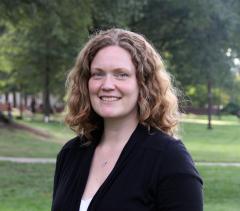
Shackel, Paul
Bio
Dr. Paul Shackel joined the Department of Anthropology in 1996 after working for the National Park Service for 7-½ years. He received his Ph.D. from the State University of New York at Buffalo in 1987.
His extensive work at Harpers Ferry delves into issues of class and labor in this early industrial town. He received a 3-year NSF Research Experiences for Undergraduates award that allowed him to partner with other institutions to train undergraduates in archaeology and explore issues of race, class, and ethnicity on the Illinois western frontier. The work focused on the historic town of New Philadelphia, Illinois. The development of civic engagement activities became an important part of this archaeological program.
He is now working with graduate and undergraduate students on the Anthracite Heritage Project, a program that includes oral histories, documentary research, and archaeology in the anthracite region of Pennsylvania. The project initially focused on the 1897 Lattimer Massacre. Now the research program is exploring issues related to immigration in the past as well as the present in the coal patch towns in Northeastern Pennsylvania. The project crew has worked in Lattimer, Pardeesville, and most recently Eckley Miners' Village, focusing on the households of mining families. The project is currently collecting oral histories of the new and long-time residents of the region.
Here are some related links to the Anthracite Heritage Project:
ahp.umd.edu
https://lattimerarchaeology.wordpress.com/
https://lattimermassacre.wordpress.com/
http://www.anthracitemuseum.org/we-are-anthracite/


(Click on the above book covers for more information on these works)
Dr. Shackel also works on National Park Service projects that provide work and educational opportunities for undergraduate and graduate students. He is interested in what nationally significant sites mean to the American public, and how they help to create and maintain a national identity. Archaeology plays a role in revealing controversial issues of our country’s development, such as labor, racism, and enslavement.
Areas of Interest
- Historical archaeology, labor history, civic engagement
Research Topics

Paul Shackel
Professor
| 1119 Woods Hall
| pshackel@umd.edu
| (301) 405-1422