
UMD College of Behavorial & Social Sciences UMD College of Behavorial & Social Sciences
MENU

Topbar Menu

  • About Us
  • People
  • Undergraduate
    • Prospective Students
      • Why Major In Anthropology At UMD?
      • Why Major In Anthropology At UMD?
      • What do UMD Anthropology Majors do?
      • What do UMD Anthropology Graduates do?
      • How to become an Anthropology Major?
    • Current Students
      • Advising
      • Academic Opportunities
      • Internships and Career Development
      • Community and Support
  • Graduate
    • Graduate Studies
    • Graduate Studies
    • PhD Program
    • MAA Program
    • MPS CHRM
    • MAA/MHP Dual Degree
    • Certificate Programs
    • Graduate Student Resources
    • Funding Options
  • Research
    • Health
    • Health
    • Heritage
    • Environment
    • Genetics & Evolution
Search

Main navigation

  • Undergraduate
    • Prospective Students
      • Why Major In Anthropology At UMD?
      • What do UMD Anthropology Majors do?
      • What do UMD Anthropology Graduates do?
      • How to become an Anthropology Major?
    • Current Students
      • Advising
      • Academic Opportunities
      • Internships and Career Development
      • Community and Support
  • Graduate
    • Graduate Studies
    • PhD Program
    • MAA Program
    • MPS CHRM
    • MAA/MHP Dual Degree
    • Certificate Programs
    • Funding Options
    • Graduate Student Resources
  • Research
    • Health
    • Heritage
    • Environment
    • Genetics & Evolution
  • About Us
  • Diversity and Inclusion
  • People

Search our site:

Dr. Ellis Kerley's Legacy
Breadcrumb

  • Home
  • Featured Content
  • Dr. Ellis Kerley's Legacy
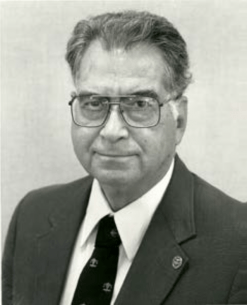
Ellis Kerley's Legacy

Dr. Ellis R. Kerley taught at the Department of Anthropology at the University of Maryland from 1972 to 1987, and served as its Chair from 1974 to 1978. He was a biological anthropologist with a specialty in the analysis of human and non-human primate bones. His forensic cases included analysis on the remains of the astronauts involved in the Challenger Space Shuttle disaster in 1986 and Nazi War criminal Dr. Josef Mengele. His most significant contribution to forensic anthropology was the development of a method to determine age at death from histological analysis of bone.

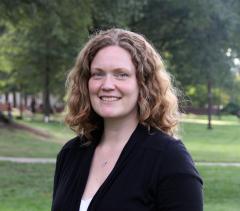
Recently Marilyn London, a Forensic Anthropologist for the US Department of Health and Human Services, gave a presentation in the UMD Department of Anthropology discussing Dr. Kerley's methods and applications. Marilyn London is employed as necessary to help identify human remains from multiple-fatality incidents. She also analyzes and documents human skeletal remains in the collections of the National Museum of Natural History.    

After almost a year of research, visits to several archives locations and cross campus collaboration, the BSOS media studio created a video to commemorate Dr. Kerley’s contributions to the science of forensic anthropology. The video was premiered at the Kerley Foundation’s reception at the American Academy of Forensic Sciences annual conference to an audience of over 300. It is fascinating, comprehensive, and includes contributions from academic colleagues across the country. In addition, Terp Magazine featured an article about Ellis Kerley in February further acknowledging his legacy. 

Published on Mon, 03/02/2015 - 11:09

College of Behavioral & Social Sciences

Department of Anthropology

1111 Woods Hall
4302 Chapel Ln
College Park, MD 20742

Phone: 301-405-1423 
Fax: 301-314-8305

Email: @email 

Links
  • UMD Land Acknowledgement
  • UMD Staff Directory
  • UMD Web Accessibility
  • Alumni
© 2026 College of Behavioral & Social Sciences. All Rights Reserved.
Login