UMD College of Behavorial & Social Sciences UMD College of Behavorial & Social Sciences
MENU

Topbar Menu

  • About Us
  • People
  • Undergraduate
    • Prospective Students
      • Why Major In Anthropology At UMD?
      • Why Major In Anthropology At UMD?
      • What do UMD Anthropology Majors do?
      • What do UMD Anthropology Graduates do?
      • How to become an Anthropology Major?
    • Current Students
      • Advising
      • Academic Opportunities
      • Internships and Career Development
      • Community and Support
  • Graduate
    • Graduate Studies
    • Graduate Studies
    • PhD Program
    • MAA Program
    • MPS CHRM
    • MAA/MHP Dual Degree
    • Certificate Programs
    • Graduate Student Resources
    • Funding Options
  • Research
    • Health
    • Health
    • Heritage
    • Environment
    • Genetics & Evolution
Search

Main navigation

  • Undergraduate
    • Prospective Students
      • Why Major In Anthropology At UMD?
      • What do UMD Anthropology Majors do?
      • What do UMD Anthropology Graduates do?
      • How to become an Anthropology Major?
    • Current Students
      • Advising
      • Academic Opportunities
      • Internships and Career Development
      • Community and Support
  • Graduate
    • Graduate Studies
    • PhD Program
    • MAA Program
    • MPS CHRM
    • MAA/MHP Dual Degree
    • Certificate Programs
    • Funding Options
    • Graduate Student Resources
  • Research
    • Health
    • Heritage
    • Environment
    • Genetics & Evolution
  • About Us
  • Diversity and Inclusion
  • People

Search our site:

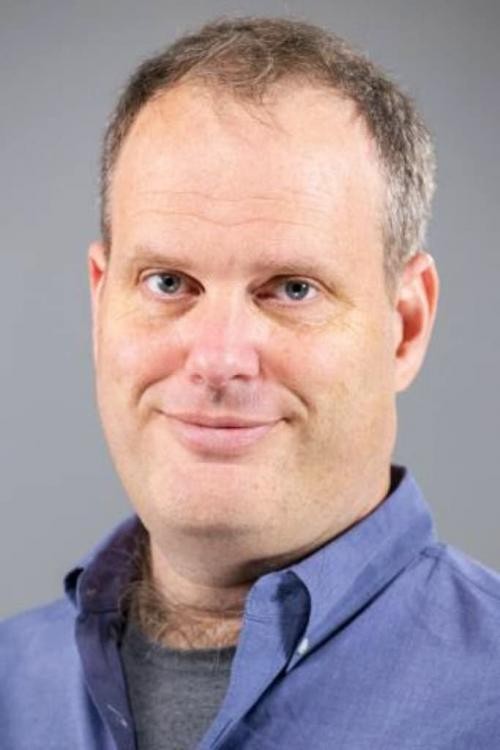
Dr. Hambrecht Published a New Article in Science Advances
Breadcrumb

  • Home
  • Featured Content
  • Dr. Hambrecht Published a New Article In Science Advances
Dr. H

According to new research published in Science Advances by Department of Anthropology Associate Professor George Hambrecht and colleagues, the cod you eat today likely came from a fish much smaller and younger than its ancestors—and humans are at least partially to blame.

Looking at the inner ear bones of the centuries-old cod—collected and analyzed at 12 former fish production sites in Iceland that date back to the second half of the 9th century through to the 19th century—Dr. Hambrecht and colleagues found that cod who lived during the 10th–12th centuries were, on average, 25% larger and up to three times older than the cod we see and eat today.

This study was supported by a $1,750,000 grant from the National Science Foundation, for which Hambrecht is named the Principal Investigator.

Congratulations, Dr. Hambrecht! 

For further information, visit: https://bsos.umd.edu/featured-content/new-research-paints-clearer-picture-humans-impact-common-fish-species

Published on Fri, 08/01/2025 - 12:26

College of Behavioral & Social Sciences

Department of Anthropology

1111 Woods Hall
4302 Chapel Ln
College Park, MD 20742

Phone: 301-405-1423 
Fax: 301-314-8305

Email: @email 

Links
  • UMD Land Acknowledgement
  • UMD Staff Directory
  • UMD Web Accessibility
  • Alumni
© 2026 College of Behavioral & Social Sciences. All Rights Reserved.
Login