
UMD College of Behavorial & Social Sciences UMD College of Behavorial & Social Sciences
MENU

Topbar Menu

  • About Us
  • People
  • Undergraduate
    • Prospective Students
      • Why Major In Anthropology At UMD?
      • Why Major In Anthropology At UMD?
      • What do UMD Anthropology Majors do?
      • What do UMD Anthropology Graduates do?
      • How to become an Anthropology Major?
    • Current Students
      • Advising
      • Academic Opportunities
      • Internships and Career Development
      • Community and Support
  • Graduate
    • Graduate Studies
    • Graduate Studies
    • PhD Program
    • MAA Program
    • MPS CHRM
    • MAA/MHP Dual Degree
    • Certificate Programs
    • Graduate Student Resources
    • Funding Options
  • Research
    • Health
    • Health
    • Heritage
    • Environment
    • Genetics & Evolution
Search

Main navigation

  • Undergraduate
    • Prospective Students
      • Why Major In Anthropology At UMD?
      • What do UMD Anthropology Majors do?
      • What do UMD Anthropology Graduates do?
      • How to become an Anthropology Major?
    • Current Students
      • Advising
      • Academic Opportunities
      • Internships and Career Development
      • Community and Support
  • Graduate
    • Graduate Studies
    • PhD Program
    • MAA Program
    • MPS CHRM
    • MAA/MHP Dual Degree
    • Certificate Programs
    • Funding Options
    • Graduate Student Resources
  • Research
    • Health
    • Heritage
    • Environment
    • Genetics & Evolution
  • About Us
  • Diversity and Inclusion
  • People

Search our site:

The Health and Well-Being of Newly “DACAmented” Immigrant Young Adults in Maryland
Breadcrumb

  • Home
  • Featured Content
  • The Health and Well-Being of Newly “DACAmented” Immigrant Young Adults In Maryland
UMD ANTH

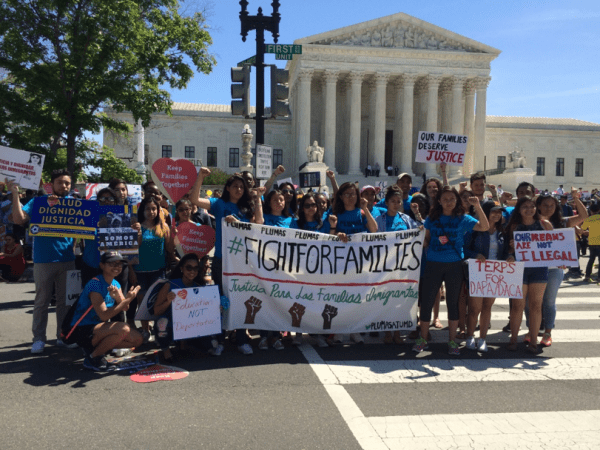
This project examines the health and well-being of Deferred Action for Childhood Arrivals (DACA) recipients living in Maryland. In June 2012, the Obama Administration announced the DACA program, which provides undocumented young adults who came to the United States as children temporaryrelief from deportation and legal work authorization. Despite these gains, DACA recipients still face exclusion in the realm of health care, as they are barred from federally-funded public insurance and may not be offered employment-based insurance. They are also likely to suffer from the health effects of growing up undocumented, including anxiety and depression, which can affect their overall well-being. Using a mixed-method research design consisting of semi-structured interviews and surveys, this project investigates: 1) how receiving DACA has influenced recipients’ access to health care and health-seeking practices, 2) whether receiving DACA has improved recipients’ mental health and/or other chronic health conditions, and 3) how DACA has affected recipients’ overall well-being and sense of belonging. Much of the focus of the nascent research on DACA has been on educational access and workforce participation; the health and well-being of DACA recipients is understudied, yet influences recipients’ abilities to gain incorporation in these other realms. The project is being carried out by Dr. Getrich and a group of UMD graduate and undergraduate anthropology students, who have participated in project conceptualization, participant recruitment, data collection, and data analysis.

Principal Investigator

Christina Getrich

Additional Researchers

Undergraduate Students 

Ana Ortez-Rivera

Alaska Burdette

Graduate Student

Kaelin Rapport

Alumni 

Delmis Umanzor

Umai Habibah

Project Sponsor

BSOS Dean’s Research Initiative—University of Maryland

Research and Scholarship Award (RASA)—University of Maryland

Published on Thu, 08/11/2016 - 08:20

College of Behavioral & Social Sciences

Department of Anthropology

1111 Woods Hall
4302 Chapel Ln
College Park, MD 20742

Phone: 301-405-1423 
Fax: 301-314-8305

Email: @email 

Links
  • UMD Land Acknowledgement
  • UMD Staff Directory
  • UMD Web Accessibility
  • Alumni
© 2026 College of Behavioral & Social Sciences. All Rights Reserved.
Login