
Living with HIV as an Older Black Woman in Prince George’s County, Md.
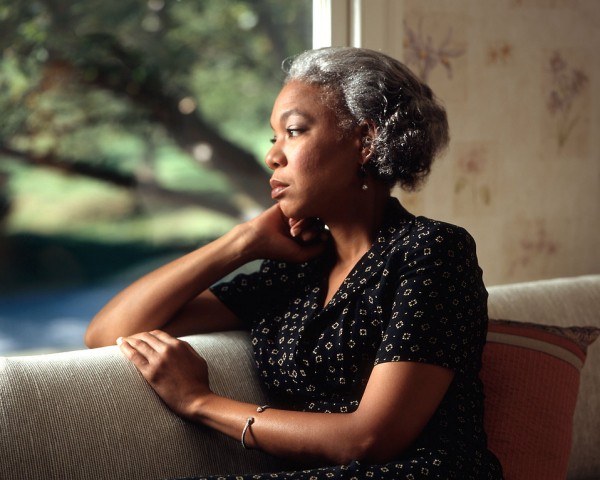
Researchers with the University of Maryland Department of Anthropology and School of Public Health are calling attention to the unique and complex challenges faced by older Black women living with HIV in Prince George’s County, Md.
Between 2014 and 2015, researchers Thurka Sangaramoorthy, Typhanye Dyer and Amelia Jamison conducted in-depth interviews with a total of 35 Black women between the ages of 40 and 80 years old who were HIV-positive and living in Prince George’s County. Although known for having one of the most affluent African American populations in the United States, Prince George’s County leads the state of Maryland in the number of new HIV diagnoses, surpassing Baltimore City in 2013. In 2015, African Americans in the county constituted 86% of all new HIV diagnoses and 85% of the total population living with HIV.
While past studies have explored discrimination related to HIV in many areas, the UMD research team is the first to systematically investigate the unique experiences of Black women living with HIV and the impact of stigma on their healthcare. Through the help of the county health department and several community organizations, researchers were able to meet with these women and listen to their personal stories. Through the interviews, the women reported experiencing multiple layers of social stigma tied to race, age, gender and HIV status.
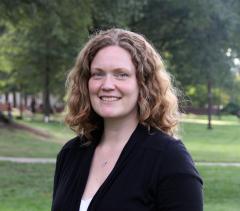
“It’s really complicated and difficult for these women and many times they feel incredibly isolated. We often heard ‘Being a Black woman is hard enough, but being a Black woman with HIV is extremely difficult’,” said Assistant Professor Thurka Sangaramoorthy, a medical anthropologist who led the research project. “These are stereotypes that aren’t just coming from the outside, it’s also within their communities. It’s a complex identity.”
The majority of women interviewed for the study said they found access to comprehensive healthcare severely lacking in Prince George’s County. Additionally, many of the participants reported dealing with other, major medical concerns—such as cancer, heart issues, diabetes and strokes—and questioned whether the anti-viral medications they are taking may be accelerating the aging process.
“As women age with HIV, it’s important to remember that there are other aging-related illnesses that must also be considered,” said Assistant Professor Typhanye Dyer, an epidemiologist. “We set out to explore stigma and engagement in the HIV treatment cascade. However, many women discussed structural barriers to receiving care and how they had also been in remission for multiple types of cancers, hypertension, cardiovascular disease, and many other comorbid illnesses that come with aging and perhaps involve long-term treatment regimens.”
“The vast majority of people living with HIV in this country are now older,” Sangaramoorthy added. “Therapies have made it possible so people could live longer but I don’t think we’ve really thought through what it means to live with HIV and to be taking highly toxic drugs for decades. These women are worried about that.”
Findings from this study have now been published in academic journals such as Culture, Health & Sexuality and the Journal of the Association of Nurses in AIDS Care. Researchers hope to expand their work in the future to include a larger number of participants.
The work was supported by a seed grant from the University of Maryland ADVANCE Program; the U.S. National Institutes of Health National Institute of Drug Abuse; and the U.S. National Institutes of Health National Institute on Minority Health and Health Disparities.
Published on Mon, 05/08/2017 - 10:41