UMD College of Behavorial & Social Sciences UMD College of Behavorial & Social Sciences
MENU

Topbar Menu

  • About Us
  • People
  • Undergraduate
    • Prospective Students
      • Why Major In Anthropology At UMD?
      • Why Major In Anthropology At UMD?
      • What do UMD Anthropology Majors do?
      • What do UMD Anthropology Graduates do?
      • How to become an Anthropology Major?
    • Current Students
      • Advising
      • Academic Opportunities
      • Internships and Career Development
      • Community and Support
  • Graduate
    • Graduate Studies
    • Graduate Studies
    • PhD Program
    • MAA Program
    • MPS CHRM
    • MAA/MHP Dual Degree
    • Certificate Programs
    • Graduate Student Resources
    • Funding Options
  • Research
    • Health
    • Health
    • Heritage
    • Environment
    • Genetics & Evolution
Search

Main navigation

  • Undergraduate
    • Prospective Students
      • Why Major In Anthropology At UMD?
      • What do UMD Anthropology Majors do?
      • What do UMD Anthropology Graduates do?
      • How to become an Anthropology Major?
    • Current Students
      • Advising
      • Academic Opportunities
      • Internships and Career Development
      • Community and Support
  • Graduate
    • Graduate Studies
    • PhD Program
    • MAA Program
    • MPS CHRM
    • MAA/MHP Dual Degree
    • Certificate Programs
    • Funding Options
    • Graduate Student Resources
  • Research
    • Health
    • Heritage
    • Environment
    • Genetics & Evolution
  • About Us
  • Diversity and Inclusion
  • People

Search our site:

New Global Classroom Focusing on Indigenous Languages and Cultures
Breadcrumb

  • Home
  • Featured Content
  • New Global Classroom Focusing On Indigenous Languages and Cultures
Global Classroom UMD

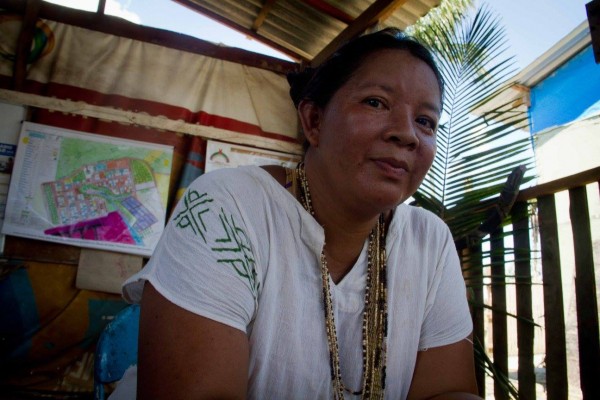
Dr. Janet Chernela received funding from UM's Office of International Affairs to develop a Global Classroom project with an overseas university. Between 2014 and 2016, she worked with the administration of the University of the State of Amazonas (UEA) to develop a joint course which would focus on the indigenous languages and cultures of the state. UEA is located in Manaus, the largest city in the Amazon basin, in the north central portion of Brazil. In addition to being a university in its own right, UEA is the center of an innovative satellite network of 60 university campuses spread throughout a vast rain-forested area the size of Austria. UM's Global Classrooms course will work with the principal campus of EUA as well as one of its rural satellite campuses in a community whose population is 85% indigenous. The course, which begins January 30, will consist of a series of joint seminars led by Dr. Chernela with two UEA linguistics professors who specialize in Amazonian languages, and visiting indigenous speakers. The course will have a virtual 'field' component in a small indigenous settlement in Manaus where the UEA students maintain ongoing research projects in linguistic anthropology.  

The course was established with the participation of Emily Dooley and Emily Masucci and now has additional input from Delia Dreher, Emily Colon, and Matt Aruch.  
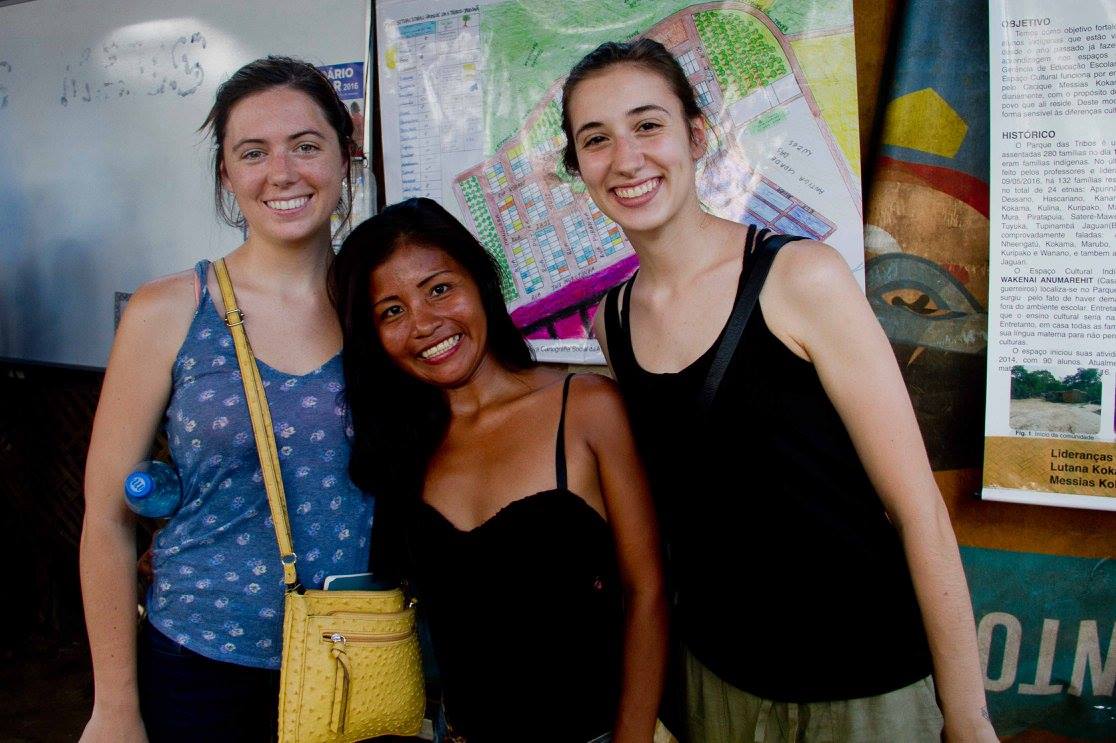
UM students Emily Dooley and Emily Masucci with members of the indigenous community in June, 2016.

For more information about the Global Classroom, please see attached flyer. 

Published on Tue, 01/31/2017 - 09:56

College of Behavioral & Social Sciences

Department of Anthropology

1111 Woods Hall
4302 Chapel Ln
College Park, MD 20742

Phone: 301-405-1423 
Fax: 301-314-8305

Email: @email 

Links
  • UMD Land Acknowledgement
  • UMD Staff Directory
  • UMD Web Accessibility
  • Alumni
© 2026 College of Behavioral & Social Sciences. All Rights Reserved.
Login