UMD College of Behavorial & Social Sciences UMD College of Behavorial & Social Sciences
MENU

Topbar Menu

  • About Us
  • People
  • Undergraduate
    • Prospective Students
      • Why Major In Anthropology At UMD?
      • Why Major In Anthropology At UMD?
      • What do UMD Anthropology Majors do?
      • What do UMD Anthropology Graduates do?
      • How to become an Anthropology Major?
    • Current Students
      • Advising
      • Academic Opportunities
      • Internships and Career Development
      • Community and Support
  • Graduate
    • Graduate Studies
    • Graduate Studies
    • PhD Program
    • MAA Program
    • MPS CHRM
    • MAA/MHP Dual Degree
    • Certificate Programs
    • Graduate Student Resources
    • Funding Options
  • Research
    • Health
    • Health
    • Heritage
    • Environment
    • Genetics & Evolution
Search

Main navigation

  • Undergraduate
    • Prospective Students
      • Why Major In Anthropology At UMD?
      • What do UMD Anthropology Majors do?
      • What do UMD Anthropology Graduates do?
      • How to become an Anthropology Major?
    • Current Students
      • Advising
      • Academic Opportunities
      • Internships and Career Development
      • Community and Support
  • Graduate
    • Graduate Studies
    • PhD Program
    • MAA Program
    • MPS CHRM
    • MAA/MHP Dual Degree
    • Certificate Programs
    • Funding Options
    • Graduate Student Resources
  • Research
    • Health
    • Heritage
    • Environment
    • Genetics & Evolution
  • About Us
  • Diversity and Inclusion
  • People

Search our site:

Producing Knowledge for Action: A Multi-Perspective Conversation from Prince George’s County
Breadcrumb

  • Home
  • Featured Content
  • Producing Knowledge For Action: A Multi-Perspective Conversation From Prince George’s County
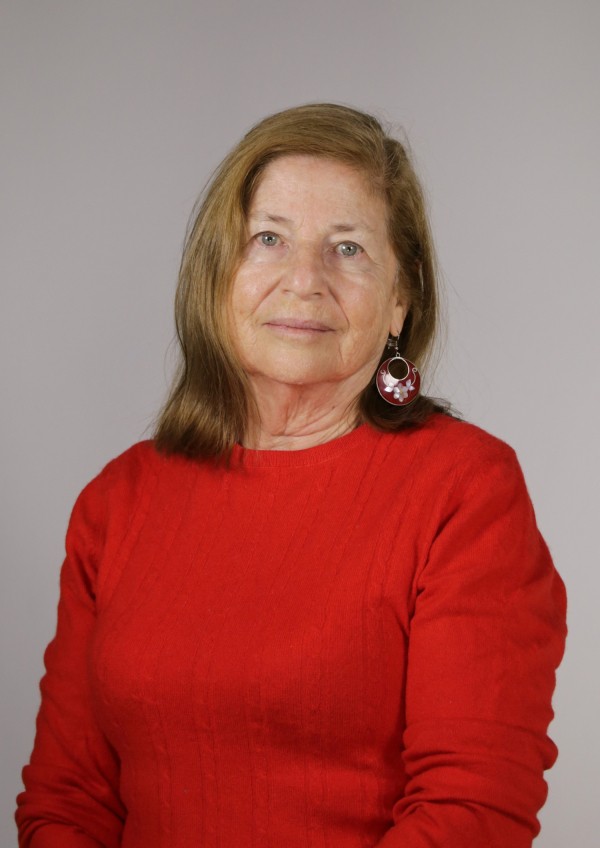
Judith Freidenberg

Producing Knowledge for Action: A Multi-Perspective Conversation from Prince George’s County – Honoring the Work of Professor Judith Freidenberg 

In a recent book, Contemporary Conversations on Immigration in the United States: The View from Prince George's County, Maryland, Dr. Judith Freidenberg advocates for the value of multi-disciplinary and multi-stakeholder perspectives for promoting public conversations on how social issues are framed. Dr. Freidenberg argues that these conversations are crucial to achieving consensus on social issues, a necessary precondition for addressing them collectively and advancing policy formulation. The symposium engages four stakeholder groups — county residents, service providers, anthropologists, and the university—in a conversation about two major, interrelated social issues affecting the well-being of the County: migration and health. This reflexive exercise is intended to contribute to, 1) contemporary discussions on the uses of anthropological knowledge, 2) forging collaborative links among the four stakeholder groups as a long-term pursuit in policy formulation, and 3) understanding what collaboration means from the perspectives of the four groups: who initiates, shapes or blocks the process. The symposium aims to promote understanding of what keeps stakeholder groups apart as they engage the issues of migration and health, and suggests how they might come together. 

Wednesday, March 15th 2017
Symposium: 3-5PM
Reception: 5:30-7:30PM 

Colony Ballroom
Adele H. Stamp Student Union
University of Maryland

To Register For This Event,
Please Visit: GO.UMD.EDU/PKA2017

Questions? For more information, contact Umai Habibah at 301-405-9734 or uhabibah@umd.edu 


Published on Mon, 02/20/2017 - 16:07

College of Behavioral & Social Sciences

Department of Anthropology

1111 Woods Hall
4302 Chapel Ln
College Park, MD 20742

Phone: 301-405-1423 
Fax: 301-314-8305

Email: @email 

Links
  • UMD Land Acknowledgement
  • UMD Staff Directory
  • UMD Web Accessibility
  • Alumni
© 2026 College of Behavioral & Social Sciences. All Rights Reserved.
Login