UMD Working with Amazonian Indigenous People in the Time of COVID-19
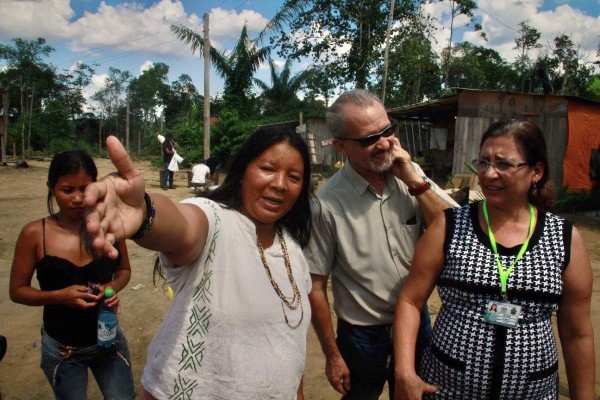
In mid-May, several thousand mourners lamented the passing of Messias Kokama—a charismatic indigenous leader who succumbed to COVID-19—in Manaus, a city of 2 million in the Brazilian Amazon. Messias had led his community of urban residents through legal struggles over claims to lands on the periphery of the city. He lived to witness their triumphant David-and-Goliath victory in 2018 and the subsequent arrivals of the first municipal services: sanitation, roads, energy, and schools.
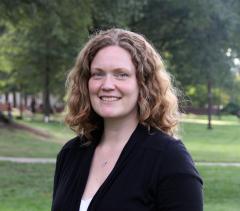
Students from the University of Maryland had been working with this community, known as “Parque das Tribos,” since 2015. In a Global Classroom project, “Language as Practice,” Professor Janet Chernela of the Department of Anthropology utilized a virtual conferencing platform to partner with students from the University of Amazonas State (UEA) in Manaus, and with members of the community to document their indigenous status.
The municipality refused the claim on the grounds that the claimants could not be indigenous since they spoke Portuguese. Using camcorders, the UMD students partnered with UEA students to document the languages spoken in the community. Their findings of 31 indigenous languages were entered into the court dossier and contributed to the success of the indigenous claimants.
In 2016, Professor Chernela and two UMD students, Emily Dooley and Emily Masucci, visited the community to pursue continued collaboration. That visit resulted in a Master's Thesis by Dooley.
In the intervening years, Professor Chernela and students have maintained contact with the community through email and WhatsApp. The relationship reached a new level as COVID-19 began to grip the community.
News arrived that 11 members of the community had died of complications related to COVID-19, and others were hospitalized. Once again, they were told they were not “indian,” and therefore refused medical services made available for indigenous people.
Professor Chernela and others worked quickly to bring relief to this underserved, vulnerable population; their efforts resulted in the installation of a medical post. The community—now with a population of 3,000—recognizes the role played by UMD in the presence of the clinic.
There are plans under way to once again connect students of the university with residents of the park. With infrastructure now in place in the community, UMD students would be able to enter into direct communication with residents.
Published on Mon, 06/22/2020 - 10:52